Barreras у глобальній суднобудівній мережі
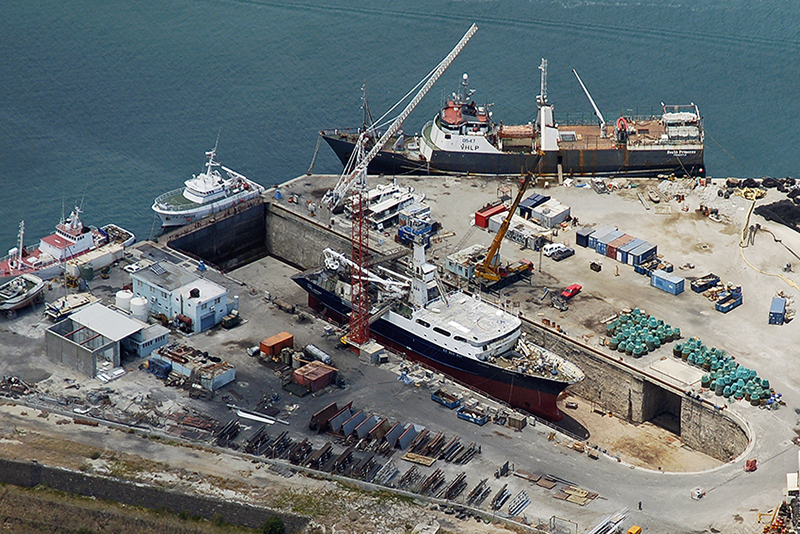
In the world of shipbuilding, Barreras у глобальній суднобудівній мережі HJ Barreras has played a significant role, contributing to the maritime industry and global trade. As one of the leading shipyards in Spain, Barreras has facilitated the construction of numerous vessels, becoming a pivotal player in the international maritime sector. This article delves into the challenges and barriers faced by Barreras and the wider global shipbuilding network, examining the implications for the industry as a whole.
The Historical Context of Barreras
Established in the early 20th century, Barreras has a rich history that intertwines with the evolution of shipbuilding technology and practices. The shipyard, located in Vigo, Spain, has expanded its capabilities over the decades, adapting to technological advancements and changing market demands. Barreras initially focused on ship repairs, but with the demand for new vessels rising, it transitioned to new ship construction, specializing in ferries, luxury yachts, and other sophisticated maritime vessels.
Global Shipbuilding Network
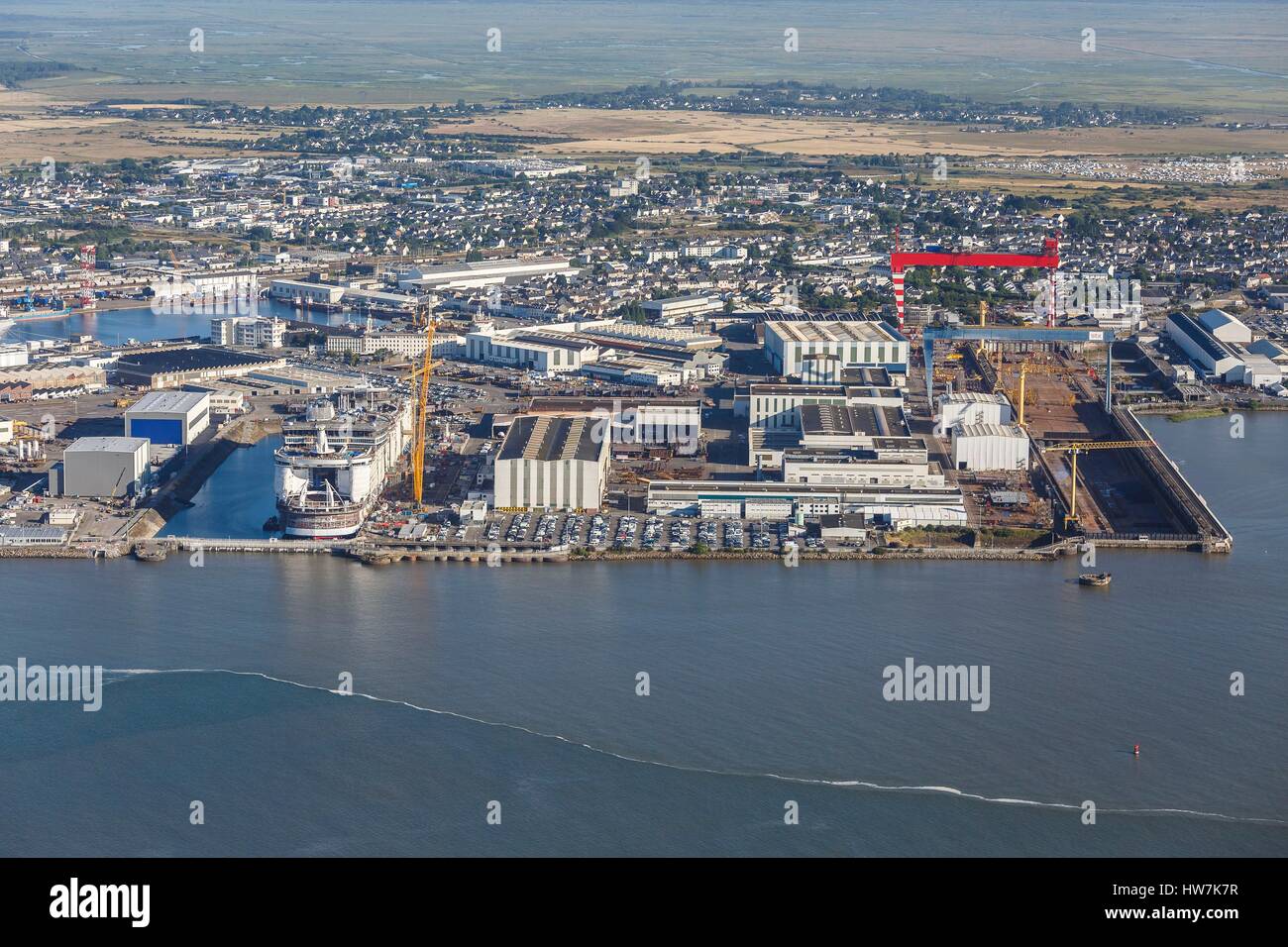
The global shipbuilding network is an intricate web of shipyards, suppliers, and customers that spans various continents. Countries like South Korea, China, and Japan dominate the shipbuilding market, producing some of the largest and most advanced vessels in the world. Yet, European shipyards like Barreras continue to carve out their niche by emphasizing quality, innovation, and specialized designs. The competition in the global market is fierce, and shipyards must continuously adapt to survive.
Key Barriers in the Industry
Several barriers hinder growth and innovation within the global shipbuilding network, impacting how companies like Barreras operate:
- Economic Factors: Fluctuations in the global economy can deeply impact ship orders, with downturns leading to reduced demand for new ships. This uncertainty makes it challenging for shipyards to maintain stable operations.
- Technological Advancements: Rapid changes in technology mean that shipyards must consistently invest in new capabilities to meet customer expectations and regulatory standards, which can be financially burdensome.
- Supply Chain Disruptions: Global supply chain challenges, exacerbated by events like the COVID-19 pandemic, have disrupted the flow of materials and components necessary for ship construction. This leads to delays and increased costs for shipbuilders.
- Environmental Regulations: Increasingly stringent environmental regulations require shipbuilders to innovate and adopt cleaner technologies. While this can lead to healthier ecosystems, compliance involves significant investments.
Strategies for Overcoming Barriers
To thrive despite these challenges, Barreras and similar shipyards must develop innovative strategies:
- Diversification: By diversifying their product offerings, shipyards can mitigate risks associated with reliance on a single market segment. Barreras has begun to explore specialized designs that cater to niche markets, thus ensuring a steady flow of orders.
- Investing in Technology: Continuous investment in automation and advanced manufacturing processes can increase efficiency and reduce costs. Barreras has focused on integrating state-of-the-art technologies in its operations to enhance productivity.
- Building Strategic Partnerships: Collaborations with suppliers and other industry players can strengthen supply chains and facilitate resource sharing. Partnerships can lead to innovations and improvement in design capabilities.
- Focus on Sustainability: Investing in eco-friendly ship designs and technologies not only complies with regulations but can also attract environmentally-conscious clients, giving shipyards a competitive edge.
The Future of Barreras in the Global Market
Looking forward, Barreras faces a mix of opportunities and challenges. The increasing demand for green shipping solutions is likely to benefit shipyards that can adapt quickly to new technologies and build eco-efficient vessels. Furthermore, as global trade continues to grow, the underlying need for new ships will remain strong, presenting significant opportunities for shipbuilders willing to innovate.
Conclusion
Barreras plays an essential role in the global shipbuilding network, contributing to not only the local economy but also the broader maritime industry. By effectively navigating the various barriers faced within the shipbuilding sector and embracing new technologies and methodologies, Barreras can ensure its continued relevance and success in an ever-evolving landscape. In conclusion, while challenges abound, the resilience and adaptability of shipyards like Barreras will ultimately determine their future in the global maritime arena.
Leave a Reply